Player · RUGBY BIOGRAPHY
Riki Flutey
Clive on a Saturday. England and the Lions further down the road.

Photo credit
RNZ source photograph · Original photograph · Source-hosted photograph; rights retained by the owner. Display framing adjusted.THE JOURNEY
From local roots to the wider game
Riki Flutey’s route to the British & Irish Lions ran through ordinary club commitments as well as elite academies. While at Te Aute College, he sometimes followed a school match with half a game for Clive, where his brother played. During school holidays he turned out for Martinborough’s men as a 16-year-old. Playing against adults, he later recalled, made him grow up quickly.
Another club became important when he entered the Hurricanes environment: Petone. Tana Umaga was there, and Flutey described his influence. When Super Rugby game time was scarce, Petone offered training on Tuesday and Thursday and a strong senior competition on Saturday. In Flutey’s account, that was where a developing professional still had to test his skills under pressure.
He had captained New Zealand Schools and played in the country’s age-grade sides before representing New Zealand Māori. A 2005 move to London Irish eventually led to England through residency. His England debut came in the autumn of 2008; a Lions tour followed in 2009.
The change of jersey produced a striking piece of rugby symmetry. Flutey had played against the Lions for Wellington in 2005. Four years later he started their third Test against South Africa and helped create Shane Williams’ second try in the victory at Johannesburg. His professional club record also includes Wasps, Brive and Ricoh Black Rams.
The international achievements are substantial, but his own account keeps returning to playing: school rugby, club rugby, touch rugby and the need to keep the ball in his hands.
Club connections
Published records connect Riki Flutey with Clive Rugby & Sports Club. Explore the club profiles for the wider community story and sourced representative rolls.
A documented club connection does not always mean someone’s first club, junior club or club at national selection. Schools, provincial sides, national teams and professional clubs are distinct stages.
Whakapapa & identity
Māori heritage documented; specific iwi not established here
Affiliations follow the published sources below; unrecorded iwi detail is left open.
Sources & further reading
Follow the original organisations, interviews and records behind this biography.
Career details reflect the dated sources above. This is a sourced overview, not a live squad list.
Suggest a sourced correctionMore people. More pathways.
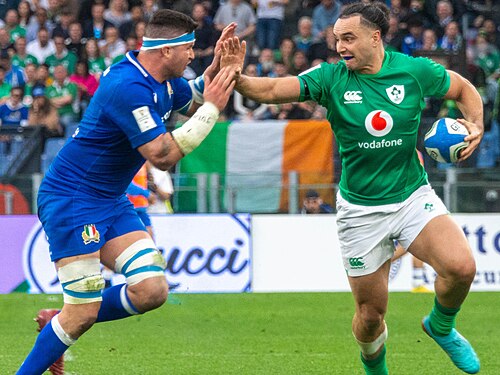
Player · Ireland
James Lowe
From Nelson club grounds to the green jersey of Ireland.
Ngāpuhi · Ngāi Te Rangi
Read biography & club connections ↗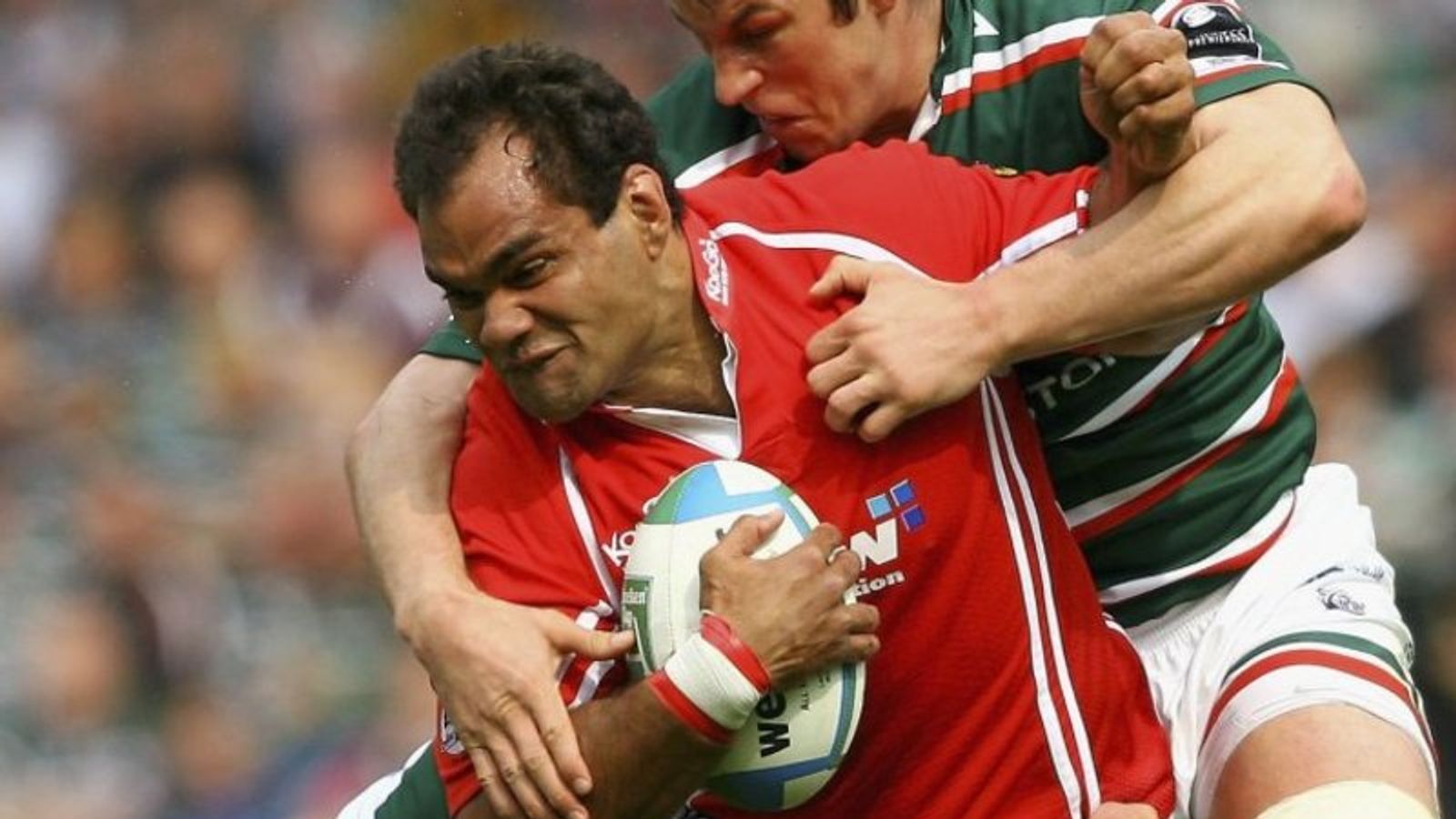
Player · Fiji
Deacon Manu
Taranaki roots. A Māori representative. Fiji’s World Cup captain.
Taranaki
Read biography & club connections ↗
Player · Japan
Derek Carpenter
Mid Northern to Japan’s national jersey, with Ngāti Wai roots.
Ngāti Wai
Read biography & club connections ↗